
From Tax Bill to New Asset: How Smart CRE Investors Use a 1031 to Build Wealth

From Tax Bill to New Asset: How Commercial Real Estate Investors Use a 1031 Exchange to Build Wealth.

For successful commercial real estate investors, the sale of an appreciated asset presents a frustrating paradox. The reward for a profitable investment is often a staggering tax bill, with capital gains and depreciation recapture taxes slicing away 20-30% or more of your hard-earned equity. This “tax friction” is the single greatest obstacle to compounding wealth.

But savvy investors don’t just accept this as the cost of doing business. They use a powerful, strategic tool embedded in the tax code to turn that tax liability into fuel for their next acquisition.

This tool is Section 1031 of the Internal Revenue Code, commonly known as a 1031 exchange or “like-kind” exchange.

A 1031 exchange is not a tax-free loophole; it’s a tax-deferred strategy. It allows you to sell an investment property, roll the entire pre-tax proceeds into the purchase of a new “like-kind” investment property, and defer paying all capital gains and depreciation recapture taxes.

This deferral is the secret to building momentum. Instead of sending 30% of your equity to the IRS, you reinvest 100% of it. That increased purchasing power allows you to acquire larger, better-performing, or more numerous assets, dramatically accelerating the growth of your portfolio.

The Rules of the Road: 1031 Exchange Basics

To successfully execute a 1031 exchange, you must follow a set of strict rules. Failure to comply with any of them can invalidate the exchange and trigger the full tax bill.

  1. “Like-Kind” Property: This is a broad definition for real estate. You can exchange an apartment building for an office building, a retail center for raw land, or a single-family rental for an industrial warehouse. The key is that both the property you sell (the “relinquished” property) and the property you buy (the “replacement” property) must be held for investment or business use. You cannot exchange into your primary residence.
  2. Equal or Greater Value: To defer 100% of the tax, your replacement property must be of equal or greater value than the one you sold. You must also reinvest all the cash proceeds and replace the value of any debt you paid off. Any cash you receive, or any reduction in debt, is considered “boot” and is taxable.
  3. The Strict Timelines: This is where most investors fail. From the day you close on the sale of your property, you have 45 календарных дней to formally identify potential replacement properties. You have a total of 180 календарных дней с 0-го дня до закрыть и приобрести one or more of the properties you identified or under Internal Revenue Code (IRC) Section 1031(a)(3)(B), the 180-day exchange period ends on the due date (including extensions) of the taxpayer’s federal income tax return for the taxable year in which the relinquished property was sold
    Exception: Extensions are provided under Revenue Procedure 2018-58 and IRC Section 7508A  for specific, federally declared disaster areas.
  4. The Qualified Intermediary (QI): You cannot touch the money from your sale. Doing so creates “constructive receipt” and disqualifies the exchange. You must use a third-party professional known as a Qualified Intermediary (QI) to hold your funds in escrow between the sale and the new purchase.

Four Ways Investors Use a 1031 to Build Wealth (With Examples)

The 1031 exchange isn’t just a defensive tax move; it’s a powerful offensive tool for strategic growth. Here are the four most common wealth-building strategies.

1. The “Trade-Up”
This is the classic 1031 strategy: rolling equity from a smaller asset into a larger, higher-value one.

  • Case Study: An investor sells a single-family rental property for $500,000. After his original purchase price and depreciation, he has a $200,000 taxable gain, which would create a $50,000 tax bill. Instead, he initiates a 1031 exchange. He rolls the full $500,000 of proceeds into the acquisition of a $2 million, 10-unit apartment building. He has instantly scaled his portfolio from one door to ten and dramatically increased his potential cash flow, all while deferring $50,000 in taxes.

2. Diversification
A 1031 exchange allows you to reallocate capital without a tax penalty. You can diversify by asset class or geography.

  • Case Study: An investor owns a $3 million retail property that is 100% occupied by a single tenant, creating significant risk. She sells the property and uses a 1031 exchange to acquire two separate assets: a $1.5 million industrial warehouse in a growing logistics hub and a $1.5 million medical office building in a different state. She has now diversified her risk across two different asset classes and two geographic markets.

3. Consolidation
As a portfolio grows, managing many small properties can become inefficient. The 1031 exchange is the perfect tool to consolidate.

  • Case Study: An investor who has acquired five single-family rentals over the last decade is tired of the high-touch management. He sells all five properties (totaling $2.5 million) and uses a 1031 exchange to roll the combined proceeds into one 50-unit, professionally managed apartment complex. He has simplified his life, created economies of scale, and upgraded the quality of his asset base.

4. The “Active to Passive” Pivot
For investors nearing retirement, a 1031 exchange can be a life-changing estate planning tool. It allows you to transition from high-management assets (like apartments or office buildings) to passive-income properties.

  • Case Study: A 65-year-old couple sells their apartment building, which they have managed themselves for 30 years. They are done with tenants and toilets. They execute a 1031 exchange and reinvest the proceeds into two passive investments:
  1. A Triple-Net (NNN) Lease Property: A single-tenant building leased to a national pharmacy chain that is responsible for all taxes, insurance, and maintenance.
  2. A Delaware Statutory Trust (DST): A fractional-ownership structure that holds institutional-grade real estate managed by a professional sponsor.

The couple now receives a truly passive monthly check without any management responsibility, all while their capital continues to grow, tax-deferred.

A Trust-Builder's Guide: Critical Mistakes to Avoid

This strategy is powerful, but it is not forgiving. One small error can cost you millions. Here are the most распространенные ошибки to avoid.

  • Missing the 45-Day Deadline: This is the #1 killer of exchanges. You must have your potential replacement properties identified in writing to your QI by midnight on the 45th day. Start your search before you even list your property for sale.
  • Hiring a QI Too Late: Your Qualified Intermediary must be in place before you close on the sale of your property. If you close and the funds hit your bank account for even one second, the exchange is invalid.
  • Creating Taxable “Boot”: To fully defer taxes, you must buy a property of equal or greater value AND replace your debt. If you sell a $1M property with a $600k mortgage, your new property must cost at least $1M and you must take on at least $600k in new debt (or add $600k of new cash). Any shortfall in value or debt is taxable “boot.”
  • Failing the “Same Taxpayer” Rule: The legal entity that sells the property must be the same legal entity that buys the new one. If “My Holdings, LLC” sells, “My Holdings, LLC” must buy.
    Exceptions: Such as single-member LLCs (which are treated as disregarded entities for tax purposes) or grantor trusts/revocable living trusts—where individuals can take title in their own name or via their disregarded entity without violating the rule. 
  • Ignoring Zoning: Don’t just verify the property type—verify the zoning. You may successfully exchange your office building for a warehouse that meets the “like-kind” rule, only to find it’s not zoned for the industrial use you intended, creating a new and very expensive problem.

How to Choose Your Qualified Intermediary (QI)

Your QI is the most important member of your 1031 team. They are the guardians of your capital. Do not simply choose the cheapest option. A few hundred dollars saved is not worth risking your entire exchange.
When vetting a QI, ask these critical questions:

  1. How are my funds secured? The best QIs hold your funds in a segregated, qualified escrow account. This means your money is never co-mingled with other clients’ funds or the QI’s operating capital.
  2. What are your internal security controls? Demand dual authorization for all fund transfers. This means no single person at the QI’s firm can move your money; it should require a wire request from you and approval from a manager.
  3. What insurance do you carry? At a minimum, they should have a Fidelity Bond (protects against employee theft) and an Errors & Omissions (E&O) policy (protects against procedural mistakes).
  4. Are you a member of the Federation of Exchange Accommodators (FEA)? This is the industry’s only major trade association. Membership shows a commitment to ethics and best practices.
  5. Do you have a Certified Exchange Specialist® (CES®) on staff? This is a professional designation that requires rigorous testing and experience, demonstrating true expertise.

The 1031 exchange is the single most effective tool for CRE investors to build generational wealth. By understanding the rules, planning your strategy, and building the right team, you can defer your tax bill indefinitely and put 100% of your equity to work building your future. 

Отказ от ответственности: This article is for informational purposes only and does not constitute tax or legal advice. All investors should consult with their own qualified tax, legal, and financial professionals before initiating any 1031 exchange.


Would you like to explore how a 1031 exchange could help you grow your real estate portfolio and preserve your investment capital?

Автор

Поделиться:

Другие посты

Unlocking Your Equity: Navigating the Complexities of a Sell-Side 1031 Exchange in Commercial Real Estate.

Как реализовать свой капитал: как разобраться в тонкостях обмена по сделке 1031 со стороны продавца

Разберитесь во всех тонкостях обмена по статье 1031 со стороны продавца — от подготовки инвестиционной недвижимости к продаже до соблюдения сроков, установленных Налоговым управлением США (IRS), и предотвращения возникновения налогооблагаемой доплаты.
Boot and Partial Exchanges: How CRE Investors Can Cash Out and Still Defer Taxes with a 1031 Exchange.

“Boot” и частичные обмены: руководство для инвесторов в коммерческую недвижимость по выводу средств (с одновременным отсрочкой уплаты налогов)

Как опытный инвестор в коммерческую недвижимость, вы, вероятно, наблюдали, как стоимость ваших объектов значительно выросла. В конце концов, в этом и заключается цель. Но этот успех

Beyond the Broker: Building Your 1031 Dream Team and Why a Qualified Intermediary Is Essential.

Не только брокер: как собрать свою “команду мечты” для сделки по статье 1031 (почему квалифицированный посредник — обязательное условие)

Вы это сделали. После многих лет тщательного управления вы сумели ориентироваться на рынке и продали свою коммерческую недвижимость со значительной прибылью. Однако празднование часто обрывается

Executive leadership strategy concept with chess pieces, hourglass and financial charts representing retirement planning and business continuity.

Планирование выхода руководителей на пенсию как стратегический инструмент удержания персонала: что нужно знать руководителям отделов кадров

Стратегический взгляд на то, как планирование выхода руководителей на пенсию может способствовать удержанию кадров, планированию преемственности и обеспечению преемственности руководства.

ru_RUРусский
Прокрутка к началу
LIons Financial

Ариэль Тавор

Директор

Ариэль Тавор - основатель и главный управляющий директор Lions Financial. Его задача в Lions Financial - предоставлять клиентам услуги, которые обеспечивают высочайшую профессиональную ценность. Специализация на рынке Business-to-Business позволила ему накопить большой опыт в предоставлении постоянных консультационных услуг в таких областях, как бизнес-консультирование, рынки капитала и управление рисками. Ариэль работает с генеральными директорами, инвестиционными фондами и советами директоров, где консультирует своих клиентов по вопросам вознаграждения руководителей, разработки бизнес-планов, слияний и поглощений, Due Diligence и финансирования активов.

Ариэль имеет 10-летний опыт работы в сфере финансовых услуг. Он работал в страховых и инвестиционных компаниях, где занимался анализом финансового положения клиентов и выработкой рекомендаций по распределению активов с учетом поставленных целей, а также поддержанием долгосрочных отношений с клиентами. Обширный опыт Ариэля позволил ему тесно сотрудничать с генеральными директорами компаний и их руководящими командами из различных отраслей, таких как грузоперевозки, гостиничный бизнес, коммерческая недвижимость, страхование, производство и технологии. Он помогал компаниям принимать сложные решения, касающиеся соглашений о купле-продаже, отсроченного вознаграждения, групповых льгот для сотрудников, планирования преемственности, слияний и поглощений, оценки стоимости и продажи бизнеса.

В настоящее время Ариэль курирует инвестиционную группу их семейного офиса и входит в совет директоров нескольких компаний и объектов недвижимости. Их инвестиционная группа контролирует портфель компаний в различных отраслях. Совместно они владеют пакетами акций компаний, специализирующихся на автомобильной дистрибуции, управлении активами в сфере недвижимости, корпоративных путешествиях, производстве чернильной рассылок, электронной коммерции, финансовых услугах, управленческом консалтинге, корпоративных технологиях и концепциях производства продуктов питания. В последние годы произошел переход к распределению средств в пользу инвестиций ограниченного партнерства в венчурный капитал, частный капитал и REITS в рамках индивидуальных возможностей андеррайтинга.

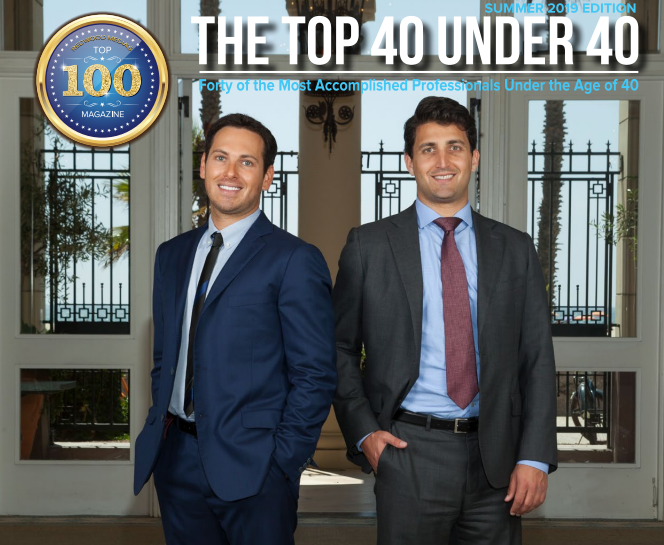
ТОП-40 до 40 лет

Признание лидерских качеств

Ариэль Тавор является основателем и главным управляющим директором Lions Assurance Financial. Его задача в Lions Assurance Financial - предоставить своим клиентам услуги, которые поддерживают высочайшую профессиональную ценность. Специализация на рынке business-to-business позволила ему накопить большой опыт в предоставлении постоянных консультационных услуг в таких областях, как бизнес-консультирование, рынки капитала и управление рисками.

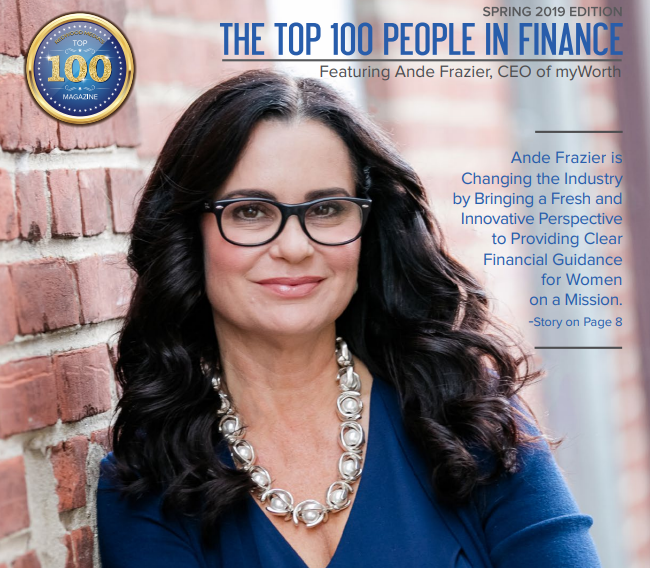
ТОП-100 ЛЮДЕЙ В СФЕРЕ ФИНАНСОВ

Признание в отрасли

Lions Assurance Financial - это успешная независимая фирма, предоставляющая консультации по вопросам ведения бизнеса и управления состоянием, которая специализируется на трех ключевых областях финансовой индустрии: бизнес-консультировании, рынках капитала и управлении рисками. Опытная команда Lions Assurance Financial специализируется на обслуживании бизнеса и управлении состоянием частных компаний с доходом от 3 до 50 миллионов, включая независимых владельцев бизнеса, семейные компании и бизнес-партнеров. Lions Assurance Financial работает с поставщиками капитала, включая инвестиционные банки, фирмы прямых инвестиций, фирмы венчурного капитала, консультационные фирмы, платформы аккредитованных инвесторов, коммерческие банки и специализированные финансовые фирмы.

Exeleon

Рубрика «Лидерство и бизнес»

В чем принципиальная разница между хорошо развивающейся компанией и не очень хорошей, если все факторы одинаковы?
Ответ прост - оперативные действия. Это результат способности сформировать представление о ситуации, найти идеальный ответ,
и действовать соответственно. И все это без малейших колебаний. Компаниям, относящимся ко второй группе, как известно, не хватает решительности, которая проистекает из отсутствия ясности видения или, скорее, умения обрабатывать вышеупомянутые шаги.

Силиконовое обозрение

50 самых инновационных компаний года

Эффективный консультант по управлению рисками поможет частным лицам и организациям оценить свои риски и разработать план противодействия потерям. Управление рисками - сложный процесс, и не существует универсального процесса, который могли бы использовать все консультанты. Однако существуют определенные традиционные методы, которые консультант будет использовать, чтобы помочь вам защитить вашу организацию от рисков. Консультант по управлению рисками должен уметь определять уникальные риски, которым подвержен ваш бизнес, и тщательно оценивать сценарии. Одним из важнейших этапов управления рисками является выявление и перечисление всех ожидаемых и неожиданных рисков. Существуют различные консультационные фирмы, которые могут помочь вам снизить риски и позаботиться о финансовом аспекте вашего бизнеса, но одна фирма, которая выделяется на фоне остальных, - это Lions Financial. Это независимая фирма, предоставляющая финансовые услуги и бизнес-консультации, базирующаяся в Нью-Йорке. Беседа с Ариэлем Тавором, управляющим директором Lions Financial. Lions Assurance Financial - это успешная независимая фирма, предоставляющая бизнес-консультации и услуги по управлению состоянием, которая фокусируется на трех ключевых областях финансовой индустрии: бизнес-консультировании, рынках капитала и управлении рисками. Опытная команда Lions Assurance Financial специализируется на обслуживании бизнеса и управлении состоянием частных компаний с доходом от 3 до 50 миллионов, включая независимых владельцев бизнеса, семейные предприятия и бизнес-партнеров. Lions Assurance Financial работает с поставщиками капитала, включая инвестиционные банки, фирмы прямых инвестиций, фирмы венчурного капитала, консультационные фирмы, платформы аккредитованных инвесторов, коммерческие банки и специализированные финансовые фирмы.