
Cómo liberar el valor de tu propiedad: cómo lidiar con las complejidades de un intercambio 1031 por parte del vendedor

Unlocking Your Equity: Navigating the Complexities of a Sell-Side 1031 Exchange in Commercial Real Estate.

For savvy commercial real estate investors, success often brings a frustrating challenge. Your property has appreciated significantly, but your equity feels trapped. Selling seems like the logical next step to reposition your capital, but the thought of writing a massive check to the IRS for capital gains and depreciation recapture taxes—potentially 20-30% or more of your gain—is enough to induce paralysis.

This is where the 1031 exchange becomes the single most powerful tool in your wealth-building arsenal.

Governed by Section 1031 of the IRS code, a “like-kind” exchange isn’t tax forgiveness; it’s tax deferral. It allows you to sell an investment property, roll 100% of the proceeds into a new investment property, and defer all capital gains taxes.

Instead of your equity shrinking from taxes, you use its full, untaxed power to compound your wealth. But this powerful reward comes with inflexible rules and tight deadlines. As the seller, the entire process hinges on what you do before and de inmediato upon the closing of your property.

Here’s how to navigate the complexities of the sell-side exchange.

1. The Strategy: Your 1031 Starts Antes de You List

The most common mistake investors make is thinking about the 1031 exchange después de they have a buyer. A successful exchange is a proactive strategy, not a reactive decision.

  • Confirm Your “Why”: Why are you selling? A 1031 exchange is the perfect vehicle to:
  1. Trade Up: Consolidate several smaller properties into a larger, institutional-grade asset.
  2. Diversify: Sell a single apartment building and acquire two net-lease (NNN) properties in different markets.
  3. Reposition: Move from a management-intensive asset (like multifamily) to a passive investment (like a NNN medical office).
  4. Relocate: Shift your portfolio to a high-growth market.
  • Define “Like-Kind”: This term is more flexible than it sounds. You don’t have to exchange an office building for an office building. You can exchange an apartment complex for raw land, a retail center for an industrial warehouse, or a single-family rental for a medical office. The rule is that both the property you sell and the property you buy must be held for uso productivo en una actividad comercial o empresarial, o con fines de inversión.
  • Assemble Your Team (The Non-Negotiable Step): You cannot execute a 1031 exchange alone. Before your sale closes, you deber have your team in place.
  1. Intermediario calificado (QI): This is the most critical component. The IRS mandates that you, the seller, cannot have “constructive receipt” of the funds. You cannot touch the money. A QI (also called an “accommodator”) must be engaged before closing to receive the sale proceeds, hold them in escrow, and use them to acquire your replacement property.
  2. Tax Advisor (CPA): Your CPA must calculate your exact tax exposure (gain and depreciation recapture) to confirm the 1031 makes financial sense.
  3. CRE Advisor: An exchange-savvy broker is essential. They will not only market your sale property but simultaneously hunt for your replacement options, understanding that your search is on a strict, non-negotiable timeline.

2. The Mechanics: The Ticking Clocks

Once you close the sale of your property (the “relinquished property”), the clock starts. The 1031 deadlines are unforgiving and have no extensions.

Day 0: The closing of your sale. Your proceeds are sent directly to your Qualified Intermediary.
El período de identificación de 45 días From Day 0, you have exactly 45 días naturales Identificar formalmente posibles propiedades de reemplazo.

  • This identification must be por escrito and delivered to your QI.
  • This deadline is absolute. Identifying on Day 46 invalidates your entire exchange.
  • You must adhere to one of three identification rules:
  1. The Three-Property Rule: (Most common) You can identify up to three properties of any value.
  2. La regla 200%: You can identify any number of properties, as long as their total fair market value does not exceed 200% of your sale price.
  3. The 95% Rule: You can identify any number of properties, but you must ultimately acquire at least 95% of the total value of all properties identified.

This 45-day window is the single greatest pressure point in the process. You must find viable properties, perform initial underwriting, and submit your list, all while the market is moving.

The 180-Day Acquisition Period
You have a total of 180 calendar days from Day 0 to close and acquire one or more of the properties you identified.
Note: This is no 45 días más 180 days. The 180-day clock starts the same day as the 45-day clock. This leaves you, at minimum, 135 days (180 – 45) to conduct full due diligence, secure financing, and successfully close the deal.

3. The Goal: Avoiding "Boot" and Deferring 100%

To defer all taxes, your exchange must be structured to avoid “bota”.” Boot is any part of the proceeds from the sale that is not reinvested into the replacement property. Boot is taxable.
There are two kinds of boot to watch for:

  • Caja de efectivo: This is simple. If you sell your property for $2 million and only reinvest $1.8 million, you will pay taxes on the $200,000 in cash boot you received.
  • Mortgage Boot (Debt Relief): This is the one that trips up most investors. To fully defer, your new property must have equal or greater debt than your old property.
  1. Example: You sell a property for $3M with a $1M mortgage.
  2. To fully defer, your replacement property must be valued at $3M or more, AND you must take on a new mortgage of $1M or more.
  3. If your new property is $3M but you only get a $700,000 mortgage, the $300,000 difference in debt (“debt relief”) is considered boot and is taxable—unless you add $300,000 of your own outside cash to the deal.

The simple formula for a 100% tax-deferred exchange:

  1. Reinvertir all net equity.
  2. Acquire replacement property of equal or greater value.

Beyond Deferral: A Strategy for Generational Wealth

A 1031 exchange is far more than a tax loophole. It is a dynamic strategy for portfolio growth. It allows you to parlay one successful investment into the next, and the next, compounding your returns tax-free.

The complexities are real, but they are manageable with a professional team and a proactive strategy. By understanding the rules before you sell, you can successfully unlock your equity and redeploy it to build generational wealth.

Descargo de responsabilidad: This article is for informational purposes only and does not constitute tax or legal advice. Every investor’s situation is unique. You must consult with your own CPA, attorney, and Qualified Intermediary before initiating any 1031 exchange.

Would you like to discuss how a 1031 exchange could fit into your specific portfolio strategy?

Autor

Comparte:

Más mensajes

es_MXEspañol de México
Ir arriba
LIons Financial

Ariel Tavor

Director

Ariel Tavor es el Fundador y Director Gerente Principal de Lions Financial. Su programa para Lions Financial es proporcionar a sus clientes un servicio que mantenga el más alto valor profesional. Su especialización en el mercado Business-to-Business le ha permitido ofrecer servicios de consultoría en las áreas de asesoramiento empresarial, mercados de capitales y gestión de riesgos. Ariel trabaja con directores generales, fondos de inversión de capital y consejos de administración, donde asesora a sus clientes en materia de retribución de ejecutivos, diseño de planes de negocio, fusiones y adquisiciones, due diligence y financiación de activos.

Ariel cuenta con 10 años de experiencia en el sector de los servicios financieros. Ha trabajado en compañías de seguros y de inversión analizando la situación financiera de los clientes y ofreciendo recomendaciones sobre la distribución de activos en función de objetivos definidos, además de mantener relaciones a largo plazo. La amplia experiencia de Ariel le ha permitido trabajar en estrecha colaboración con directores generales de empresas y sus equipos ejecutivos de diversos sectores, como el transporte por carretera, la hotelería, los bienes raíces comerciales, los seguros, la manufactura y la tecnología. Ha ayudado a guiar a las empresas en la toma de decisiones complejas relacionadas con: acuerdos de compraventa, compensación diferida, prestaciones grupales para empleados, planificación de sucesión, fusiones y adquisiciones, valoraciones y venta de negocios.

En la actualidad, Ariel supervisa su grupo de inversión de family office y forma parte del consejo de administración de varias empresas y promociones inmobiliarias. Su grupo de inversión controla una cartera de empresas en múltiples sectores. En colaboración, tienen participaciones en empresas especializadas en - Distribución de automóviles - Gestión de activos inmobiliarios - Viajes corporativos - Fabricación de correo de tinta, Comercio electrónico, Servicios financieros, Consultoría de gestión, Tecnología empresarial y Conceptos alimentarios. En los últimos años se ha producido una transición en la asignación de fondos hacia inversiones en sociedades limitadas de capital riesgo, capital privado y REITS dentro de las oportunidades de suscripción individual.

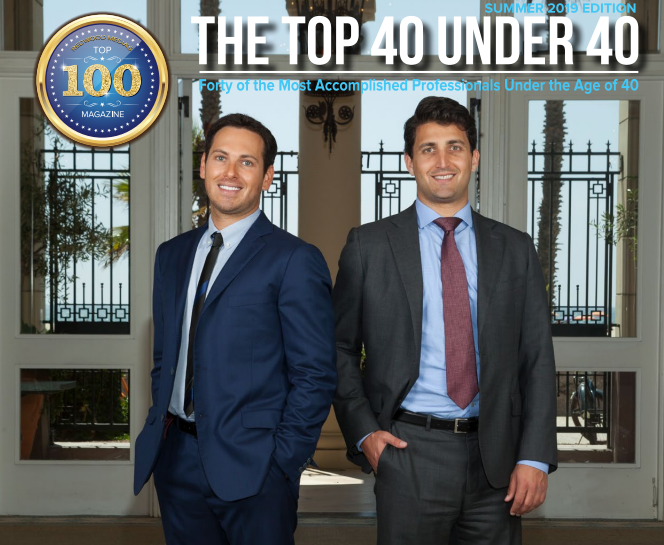
LOS 40 MEJORES MENOS DE 40

Reconocimiento al liderazgo

Ariel Tavor es el fundador y principal director general de Lions Assurance Financial. Su programa para Lions Assurance Financial es proporcionar a sus clientes un servicio que mantenga el más alto valor profesional. Su especialización en el mercado de empresa a empresa le ha permitido obtener una gran experiencia en la prestación de servicios de consultoría continua en las áreas de asesoramiento empresarial, mercados de capitales y gestión de riesgos.

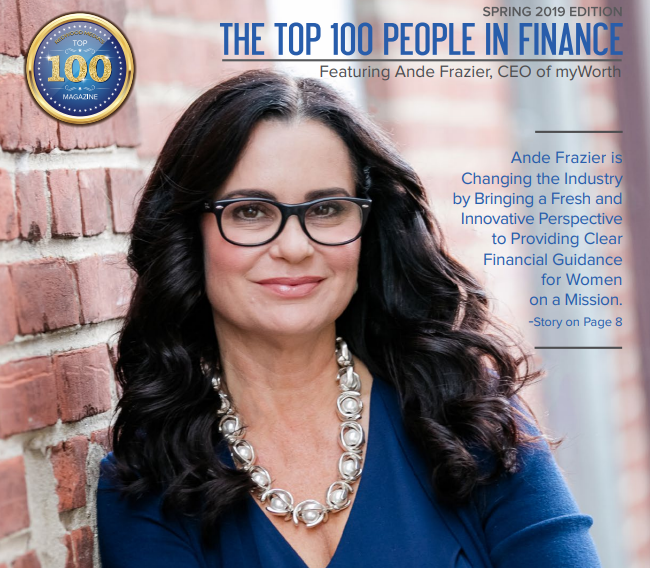
LAS 100 PERSONAS MÁS INFLUYENTES EN EL MUNDO DE LAS FINANZAS

Reconocimiento del sector

Lions Assurance Financial es una empresa independiente de consultoría empresarial y asesoramiento en gestión de patrimonios de gran éxito que se centra en tres áreas clave del sector financiero: asesoramiento empresarial, mercados de capitales y gestión de riesgos. El experimentado equipo de Lions Assurance Financial se centra en atender las necesidades de gestión empresarial y patrimonial de empresas privadas que generan entre 3 y 50 millones de ingresos, incluidos propietarios de empresas independientes, empresas familiares y socios comerciales. Lions Assurance Financial trabaja con proveedores de capital, incluidos bancos de inversión, empresas de capital riesgo, empresas de asesoramiento de capital, plataformas de inversores acreditados, bancos comerciales y empresas financieras especializadas.

Exeleon

Artículo destacado sobre liderazgo y negocios

¿Cuál es la diferencia fundamental entre una empresa boyante y otra no tan buena, cuando todos los factores son iguales?
La respuesta es sencilla: acciones rápidas. Es el resultado de la capacidad de formarse una idea sobre la situación, encontrar una respuesta perfecta,
y luego actuar en consecuencia. Y todo ello, sin un ápice de vacilación. Las empresas que pertenecen al segundo grupo son conocidas por carecer de esta firmeza, que brota de una ausencia de claridad en la visión o más bien de la facultad de procesar los pasos antes mencionados.

The Silicon Review

Las 50 empresas más inteligentes del año

Un consultor eficaz en gestión de riesgos ayudará a particulares y organizaciones a evaluar sus riesgos y elaborar un plan para contrarrestar sus pérdidas. La gestión de riesgos es un proceso complejo, y no existe un proceso único que puedan utilizar todos los consultores. Sin embargo, hay ciertos métodos convencionales que un consultor utilizará para ayudarle a proteger su organización de los riesgos. Un consultor de gestión de riesgos debe ser capaz de identificar el riesgo único al que está expuesta su empresa y evaluar cuidadosamente los escenarios. Uno de los pasos más críticos en la etapa de gestión de riesgos es descubrir y enumerar todos los riesgos previstos e imprevistos. Hay varias empresas de asesoramiento que pueden ayudarle a mitigar el riesgo y ocuparse del aspecto financiero de su empresa, pero una empresa que destaca sobre las demás es Lions Financial. Se trata de una empresa independiente de servicios financieros y asesoramiento empresarial con sede en Nueva York. En conversación con Ariel Tavor, Director General de Lions Financial. Lions Assurance Financial es una empresa independiente de asesoramiento empresarial y gestión de patrimonios de gran éxito que se centra en tres áreas clave del sector financiero: asesoramiento empresarial, mercados de capitales y gestión de riesgos. El experimentado equipo de Lions Assurance Financial se centra en atender las necesidades de gestión empresarial y patrimonial de empresas privadas que generan entre 3 y 50 millones de ingresos, incluidos propietarios de empresas independientes, empresas familiares y socios comerciales. Lions Assurance Financial trabaja con proveedores de capital, incluidos bancos de inversión, empresas de capital riesgo, empresas de asesoramiento de capital, plataformas de inversores acreditados, bancos comerciales y empresas financieras especializadas.