The Typical balance sheet:


Typically, a Balance Sheet is divided into three main parts:

1. Assets: Current assets are those that can be converted into cash within one year. They typically include

cash, stocks, accounts receivable, prepaid expenses, and inventory. Fixed assets are tangible assets that
are for long-term use, such as equipment, machinery, vehicles, land and buildings, furniture and fixtures,
and leasehold improvements. Many other assets don’t fit within either of these categories so most
balance sheets include an “other assets” category for these items — typically things like long-term
investment property, life insurance cash value, and compensation due from employees.

2. Liabilities: Current liabilities are business obligations due within one year. These typically include
short-term notes payable (including lines of credit), current maturities of long-term debt, accounts
payable, accrued payroll and other expenses, and taxes payable. Long-term liabilities are business
obligations that are due outside of one year, such as any bank debt or shareholder loans with maturities
longer than one year.

3. Owner’s equity: This is the sum of all shareholder money invested in the business and accumulated
business profits. Owner’s equity includes common stock, retained earnings, and paid-in-capital.

How to Use the Balance Sheet
Your balance sheet can provide a wealth of useful information to help improve financial management. For
example, you can determine your company’s net worth by subtracting your balance sheet liabilities from
your assets, as noted above.

Perhaps the most useful aspect of your balance sheet is its ability to alert you to upcoming cash flow
shortages. After a highly profitable month or quarter, for example, business owners sometimes get lulled
into a sense of financial complacency if they don’t consider the impact of upcoming expenses on their
cash flow.

There are two easy-to-figure ratios that can be computed from the balance sheet to help determine
whether your company will have sufficient cash flow to meet current financial obligations:

  • Current ratio: This measures liquidity to show whether your company has enough current (i.e., liquid)
    assets on hand to pay bills on-time and run operations effectively. It is expressed as the number of times
    current assets exceed current liabilities. The higher the current ratio, the better. A current ratio of 2:1 is
    generally considered acceptable for inventory-carrying businesses, although industry standards can vary
    widely. The acceptable current ratio for a retail business, for example, is different from that of a
    manufacturer. The formula: Current Assets / Current Liabilities
  • Quick ratio: This ratio is similar to the current ratio but excludes inventory. A quick ratio of 1.5:1 is
    generally desirable for non-inventory-carrying businesses, but—just as with current ratios—desirable
    quick ratios differ from industry to industry.
    The formula: Current Assets – Inventory / Current Liabilities

Knowing your industry’s standards is an important part of effectively evaluating your business’s balance
sheet. Using the balance sheet included in your industry’s report, you can calculate the current ratio and
quick ratio that are desirable for your business type, to get a better sense of how your own business’s
ratios stack up.


Author

hi_INहिन्दी
Scroll to Top
LIons Financial

Ariel Tavor

Principal

Ariel Tavor is the Founder and Principal Managing Director of Lions Financial. His agenda for Lions Financial is to provide his clients a service that maintains the highest professional value. Specializing in the Business-to-Business market has allowed proficient expertise in providing ongoing consulting services in the focus areas of business advisory, capital markets, and risk management. Ariel works with CEO’s, Capital Investment funds, and Boards of Directors where he advises his clients in matters of Executive compensation, Business Plan Design, Mergers & Acquisitions, Due Diligence, and Asset Financing.

Ariel has 10 years of experience in the financial services industry. He has worked in insurance and investment companies to analyze client’s financial and make suggestions on allocations based on defined objectives as well as maintaining long term relationships. Ariel’s comprehensive experience has allowed him to work closely with CEOs of companies and their executive teams from diverse industries such as trucking, hospitality, commercial real estate, Insurance, manufacturing, and technology. He has helped lead companies through the challenging decisions around – Buy-Sell Agreements, Deferred Compensation, Employee Group Benefits, Succession Planning, Mergers and Acquisitions, Valuations, and Business Sales.

Ariel currently oversees their family office investment group and sits on the Board of Directors of several companies and real estate developments. Their Investment group controls a portfolio of companies in multiple industries. They collaboratively have holdings in companies specialized in – Automotive Distribution- Real Estate Asset Management- Corporate Travel- Ink Mailing Manufacturing, E-Commerce, Financial Services, Management Consulting, Enterprise Technology, and Food Concepts. In recent years there has been a transition into fund allocation towards limited partnership investments in Venture Capital, Private Equity, and REITS within individual underwriting opportunities.

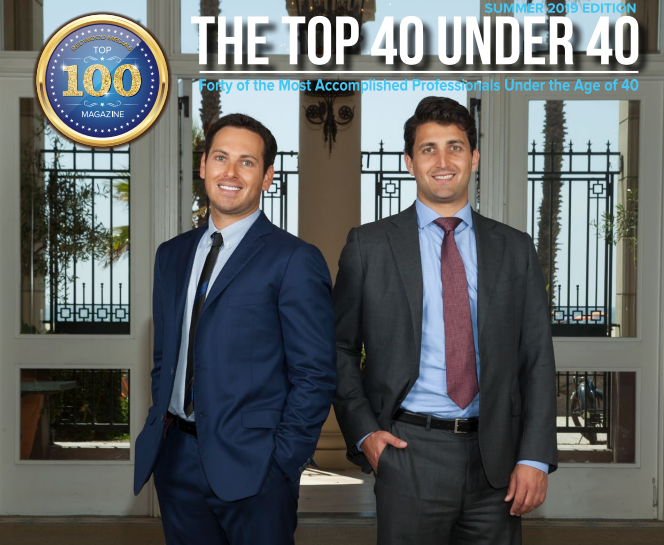
TOP 40 UNDER 40

Leadership Recognition

Ariel Tavor is the founder and principal managing director of Lions Assurance Financial. His agenda for Lions Assurance Financial is to provide his clients a service that maintains the highest professional value. Specializing in the business-to-business market has allowed proficient expertise in providing ongoing consulting services in the focus areas of business advisory, capital markets, and risk management.

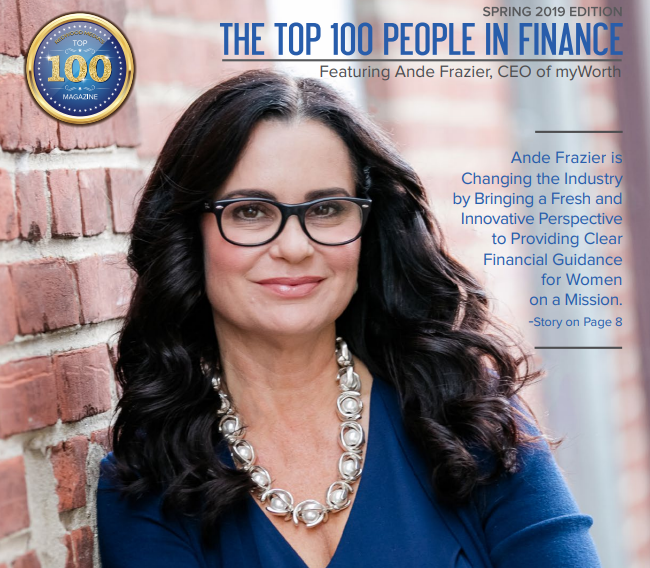
TOP 100 PEOPLE IN FINANCE

Industry Recognition

Lions Assurance Financial is a highly successful, independent business consulting and wealth management advisory firm that focuses on three key areas of the financial industry: business advisory, capital markets, and risk management. The experienced team at Lions Assurance Financial focuses on serving the business and wealth management needs of privately owned business generating 3-50 million in revenue including independent business owners, family owned businesses, and business partners. Lions Assurance Financial works with capital providers including investment banks, private equity firms, venture capital firms, capital advisory firms, accredited investor platforms, commercial banks, and speciality finance firms.​

Exeleon

Leadership & Business Feature

What is the fundamental difference between a buoyant company and a not-so-good one, when all the factors are the same?
The reply is simple- expeditious actions. It is the outcome of the ability to form an idea about the situation, find a perfect response,
and then act accordingly. And all that, without an iota of hesitation. Companies that belong to the second group are known to lack this decisiveness, which sprouts from an absence of clarity in vision or rather the faculty of processing the steps mentioned above.​

The Silicon Review

50 Smartest Companies of the Year

An effective risk management consultant will help individuals and organizations evaluate their risks and develop a plan to counter their losses. Risk management is a complex process, and there is no one-size-fits-all process that all consultants can use. However, there are certain conventional methods that a consultant will use to help you protect your organization from risk. A risk management consultant should be capable of identifying the unique risk that your business is exposed to and carefully evaluating the scenarios. One of the most critical steps in the risk management step is to discover and list all the expected and unexpected risks. There are various advisory firms that can help you mitigate risk and take care of your business’s financial aspect, but one firm that stands out from the rest is Lions Financial. The company is an independent financial services & business advisory firm based in New York. In conversation with Ariel Tavor, Managing Director of Lions Financial. Lions Assurance Financial is a highly successful, independent business consulting and wealth management advisory firm that focuses on three key areas of the financial industry: business advisory, capital markets, and risk management. The experienced team at Lions Assurance Financial focuses on serving the business and wealth management needs of privately owned business generating 3-50 million in revenue including independent business owners, family-owned businesses and business partners. Lions Assurance Financial works with capital providers including investment banks, private equity firms, venture capital firms, capital advisory firms, accredited investor platforms, commercial banks, and specialty finance firms.